The Department of Rehabilitation and Community Supervision provides a comprehensive range of supervision and support services designed to enhance public safety while facilitating rehabilitation and successful community reintegration. Our evidence-based approaches balance accountability with opportunity, applying appropriate levels of oversight while addressing the factors that contribute to criminal behavior.
Probation is a community-based sentencing option that allows individuals found guilty of an offense to remain in the community under the supervision of a Probation Officer, rather than serving time in prison. The goal of probation is to support rehabilitation, reduce reoffending, and help clients become law-abiding and productive members of society.
Our Probation Officers work closely with clients to address the factors that contributed to their offending behavior. This may include regular check-ins, counseling, skill-building, employment support, and referrals to partner agencies. Officers also monitor compliance with court-ordered conditions and report progress to the court when required.


Parole is a conditional release granted to eligible individuals who have served a portion of their custodial sentence. It allows them to complete the remainder of their sentence in the community under supervision, rather than in prison. Parole is not an automatic right — it must be applied for and is granted by the Governor based on the recommendation of the Parole Board. Each parolee is assigned a Parole Officer who monitors compliance with release conditions, provides ongoing guidance, and helps address the challenges that may arise during reintegration.
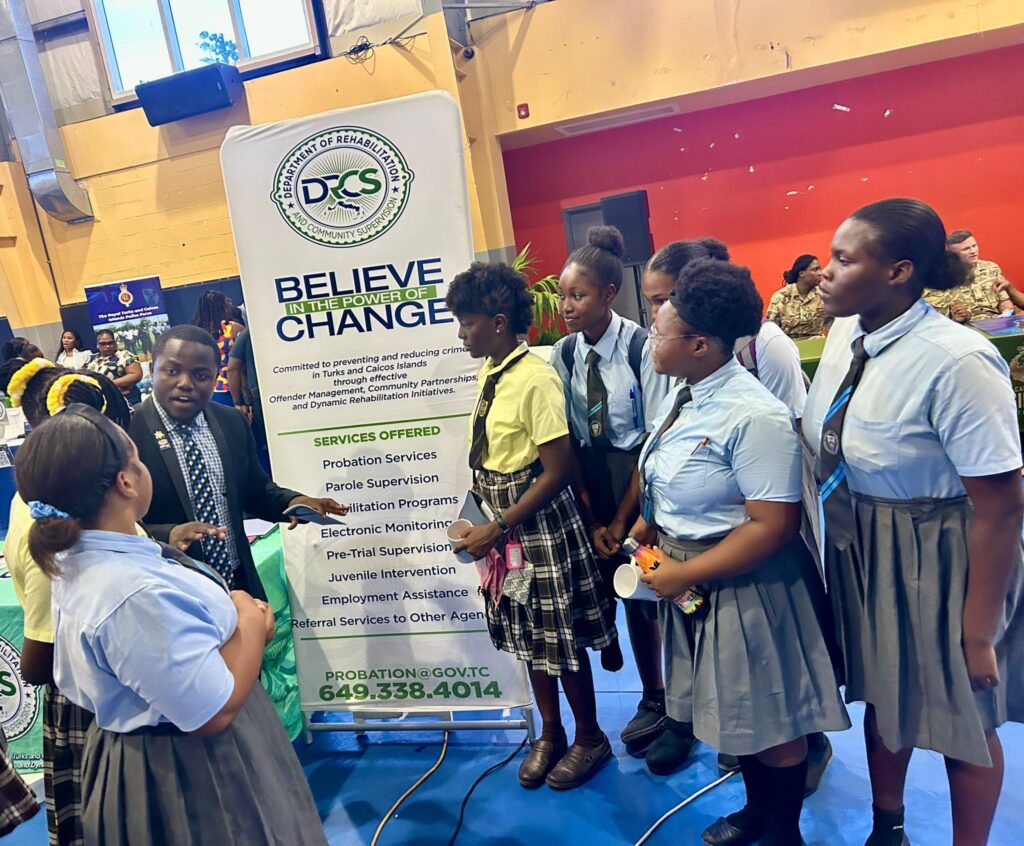
The Juvenile Prevention and Intervention services is a national initiative coordinated by the Juvenile Prevention and Intervention Council. This service is designed to support children and adolescents in the Turks and Caicos Islands who are at risk of entering the criminal justice system. Through early identification, intervention, and collaboration with families and partner agencies, JPIC connects youth to tailored services aimed at rehabilitation, personal growth, and long-term success.
Referrals can be made by schools, law enforcement, social services, parents, and community organizations. Eligible youth are those showing behavioral concerns, disengagement from school, exposure to trauma, or early involvement in delinquency.
Clemency is a special form of mercy granted by the Governor under Section 127 of the Constitution of the Turks and Caicos Islands. It may take the form of a pardon, commutation, remission, or suspension of sentence. While it does not erase a conviction, clemency can restore certain rights and reduce the long-term impact of a serious offense.
You may apply for clemency if:
All applications are carefully reviewed by the Department of Rehabilitation and Community Supervision and submitted to the Governor for a final decision. Clemency decisions are final and not subject to appeal. If denied, applicants may reapply one year after the date of the decision.
Electronic monitoring (EM) enhances the Department’s ability to supervise individuals in the community using real-time GPS technology. It serves as both a supervision tool and an alternative to incarceration for individuals assessed as appropriate for community-based monitoring. EM supports accountability, promotes rehabilitation, and helps reduce reliance on imprisonment.
Clients placed on electronic monitoring are fitted with a GPS-enabled ankle bracelet that tracks their movements 24/7. The device is securely affixed to the individual’s ankle and cannot be removed or tampered with without triggering an alert. DRCS staff are responsible for installing and maintaining the equipment, and the police respond to alerts following established protocols.
Electronic monitoring helps ensure public safety while allowing individuals to live in the community under structured and closely monitored conditions.
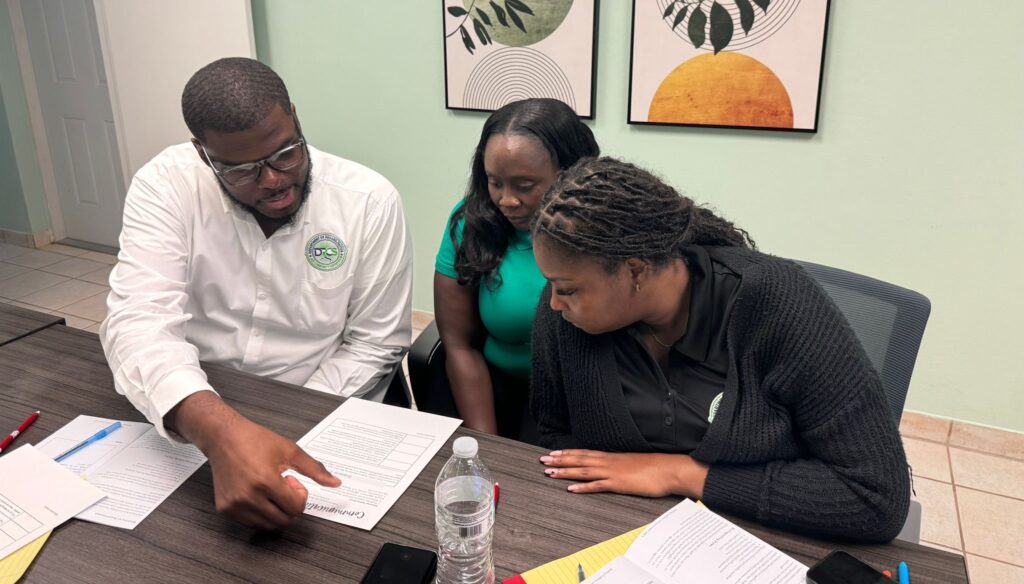
A Pre-Sentencing Report (PSR) is a confidential document prepared by Probation Officers at the request of the court. It provides the sentencing judge with a detailed background on the individual found guilty of an offense and offers suitable recommendations to guide sentencing decisions. PSRs help ensure that sentences are tailored to both the offense and the individual’s personal circumstances. The report considers the person’s social history, risk of reoffending, and potential for rehabilitation.
What the PSR Includes:
When individuals under probation or parole fail to follow their conditions, probation and parole officers are required to initiate appropriate response measures to address the violation and protect public safety. Our approach to breaches is measured, fair, and based on the severity and frequency of non-compliance. We balance accountability with opportunities for correction, ensuring that responses are consistent with best practices and aligned with the individual’s risk level.
DRCS may issue administrative sanctions for minor non-compliance — such as a verbal or written warning or increased reporting — or file a formal breach report with the court or Parole Board for more serious or repeated violations. The Court or Board will then decide how to respond to the breach based on the circumstances.

Community service is a sentencing option or a court-ordered condition of probation that allows individuals to give back to the community as part of their rehabilitation. Instead of paying a fine or serving time in custody, the court may order a person to complete a specific number of unpaid work hours under supervision. This approach promotes accountability, encourages responsibility, and provides meaningful restitution to the community.
Our probation officers coordinate and monitor all court-ordered community service placements. Work assignments are selected based on availability, community needs, and the individual’s abilities.
Examples of Community Service Projects
Community service helps individuals stay engaged in constructive activity, develop life skills, and make amends in a positive, restorative way.